
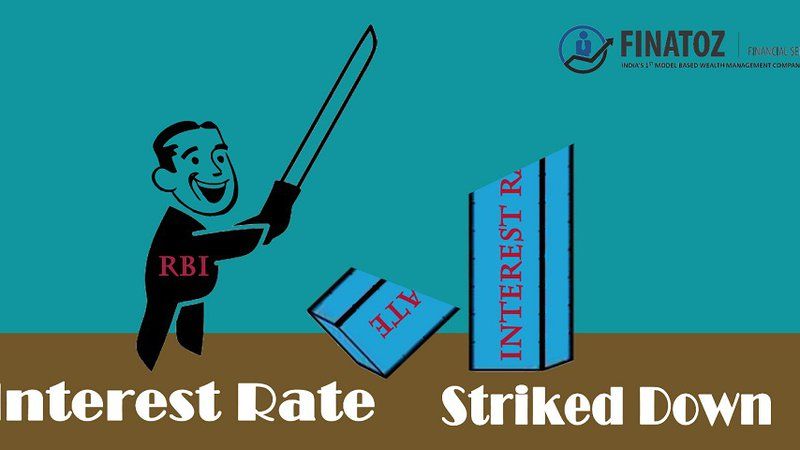
This blog will tell you about the impact of RBI rate. and the significance of RBI rate for the proper balance of growth and inflation in the economy.
New RBI
Governor, Urjit Patel, is straight into action. RBI cut its key interest rate
by 0.25% in its October monetary policy review for financial year 2016-17. The
repo rate, the rate at which RBI lends money to commercial banks, now stands at
6.25%.
When the
interest rate is low, lending by banking system becomes a bit cheaper, leading
to a fall in your monthly EMI, thereby providing a boost to industry and
economy in overall.
Reduction in the interest rate will have the following effects for you:
Home loans will become cheaper
This will
have a soothing effect on real estate sector which is bleeding with high
inventory and high interest rates. With new home loans becoming less costly,
demand is likely to pick up. This will help the sector sell some of the unsold
inventory. Also, your existing home loan is also likely to get cheaper thereby
putting more money in your hands.
Bank Fixed Deposits will give even lesser interest
Bank FDs
will become even less attractive since the saving rates are linked to repo rate
set by RBI. There is an added pressure on banks by the RBI to pass on the
benefit to the end customer. Hence the Fixed deposits are likely to offer
lesser interest very soon forcing the conservative investor to look for
alternatives for investments. Some of the alternatives worth considering are
Diversified Mutual Funds, Corporate Bonds and Gold.
Consumer spending will increase thereby boosting economy
Get Expert Financial Advice
Book an introductory call with our Certified Financial Planner to explore how we can help you achieve your financial goals.
A fall in
the interest rate prompts one to save less and spend more. Hence, you are
likely to spend more money than what you do now. This will help sectors like
Fast Moving Consumer Goods, Automobiles, Consumer Durables (TV, Fridge, Mobile
etc). Companies from these sectors are hence likely to gain as part of this
move.
Cheaper car and student loans
Better Job market
When
capital becomes cheaper, companies tend to expand their operations, thus,
generating employment as they would need more manpower. This, coupled with
government reforms will increase industrial output, and hence Gross Domestic
Product.
Equity Markets
The
positive impact on consumption along with lower interest outgo would also mean
high profits and thus better valuations for the equity market. Also, more money
is likely to flow into mutual funds since traditional saving instruments like
Bank FDs become less attractive. Since Mutual Funds in turn invest in equity
markets, more flow of money will come in equity markets thereby increasing
their valuation further.
In
conclusion, the decrease in interest rate will be good for the Indian domestic
industry and economy in general. However, this might also induce inflationary
pressure on the economy which may have its own adverse impact in the long run.
Time will tell how RBI maintains the balancing act to ensure inflation does not
stick its ugly head out and fails to derail the recovery of our domestic
economy.
Get Expert Financial Advice
Book an introductory call with our Certified Financial Planner to explore how we can help you achieve your financial goals.
About the author